Planning Your Pollinator Paradise: Laying the Groundwork
Before planting a single seed, understand your site's conditions. Sunlight is crucial; most pollinators need at least six hours of direct sunlight daily. Soil type (sandy, clay, loam) significantly impacts plant choice and watering needs. Understanding your local climate—is it hot and dry, or cool and moist?—determines the types of plants that will thrive. Researching the pollinator species native to your area ensures you attract the most beneficial insects and birds. Local nurseries or agricultural extension offices are excellent resources. A well-planned garden minimizes effort while maximizing impact. For more on native wildflowers, check out this link to baby blue eyes.
Choosing the Right Plants: A Feast for the Buzzing Crowd
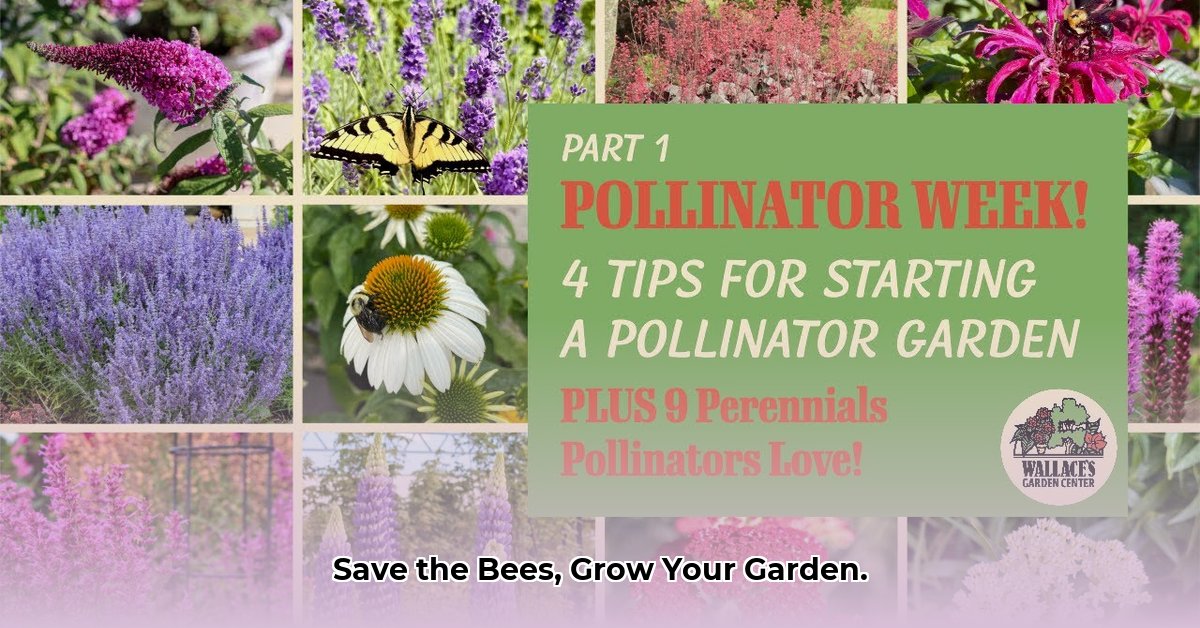
Native plants are key. They’re naturally adapted to your local climate and soil, requiring less water and fewer chemical interventions. Diversity is paramount—a variety of plants blooming at different times throughout the year provides a continuous food source. Imagine a vibrant buffet for your pollinators! Varying plant heights and flower shapes further enhances appeal. Consider a mix of colors and textures for visual interest. This ensures that pollinators have food sources available throughout the entire growing season.
| Plant Type | Pollinator Attraction | Additional Considerations |
|---|---|---|
| Native wildflowers | Bees, butterflies, moths, hummingbirds | Choose a diverse mix of varieties with staggered bloom times and different flower shapes. |
| Herbs | Bees, butterflies, hoverflies | Many herbs are easy to grow and attract beneficial insects. |
| Shrubs | Bees, butterflies, birds | Provide shelter and nectar sources throughout the year. |
| Trees | Bees, butterflies, birds, other pollinators | A long-term investment that significantly enhances habitat biodiversity. |
Designing a Buzz-Worthy Habitat: More Than Just Flowers
A successful pollinator garden is more than just a collection of pretty flowers; it's a mini-ecosystem. Incorporate water sources—a shallow dish with pebbles provides a safe landing spot for thirsty pollinators. Leave some leaf litter or create an insect hotel to offer shelter. Rocks and logs provide basking spots, creating layered habitats. Aim to create a diverse and welcoming environment for your buzzing friends. Did you know that a diverse garden can support up to 30% more pollinator species?
Sustainable Pest Control: Working With Nature
Avoid harmful pesticides, which indiscriminately kill beneficial insects. Employ organic pest control methods: companion planting (e.g., marigolds deter certain pests), composting (enriches the soil and fosters beneficial microorganisms), and hand-picking pests when necessary. These methods maintain a healthy soil ecosystem which is ideal for pollinator growth. Remember, a healthy soil sustains a healthy garden which in turn supports a thriving population of pollinators.
Keeping Your Pollinator Paradise Thriving: Ongoing Care
Regular weeding is essential, but be mindful—some “weeds” are valuable nectar sources. Water deeply but infrequently, encouraging strong root systems. Monitor your garden for signs of problems and address them using organic methods. Regular observation is key to effective maintenance. This consistent care ensures the longevity and health of your pollinator garden.
Sharing the Buzz: Community and Conservation
Connect with fellow gardening enthusiasts through local clubs or seed swaps. Participate in citizen science projects to monitor pollinator populations and contribute valuable data to conservation efforts. Pooling knowledge and resources generates a more considerable positive impact on pollinator populations. Collective action amplifies individual efforts, creating a more significant positive effect on local ecosystems.
The Bigger Picture: Why It Matters
Creating a pollinator-friendly garden isn't just about aesthetics; it's about contributing to biodiversity and ecosystem health. Supporting pollinators ensures the continued success of our plant ecosystems. By taking these simple steps you will have a significantly positive impact on our planet. It's a contribution to a healthier planet for future generations.
Key Takeaways:
- Native plants are vital for sustaining local pollinator populations.
- Diverse plant selection ensures continuous nectar and pollen sources.
- Sustainable gardening practices minimize harm to beneficial insects.
- Community engagement strengthens local conservation efforts.
- Understanding your local climate and pollinators is crucial for success.